
Travel Vaccines
Hepatitis A Vaccine
£59/Total
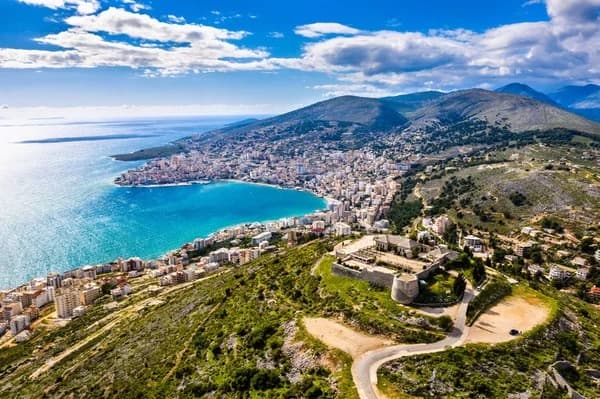
Albania has become one of the Balkans' fastest-growing destinations, drawing UK travellers to the beaches of the Albanian Riviera, the UNESCO towns of Berat and Gjirokastër, and the mountains of the Albanian Alps. No vaccinations are legally required for entry from the UK, and there is no malaria or Yellow Fever risk. However, a number of vaccines are recommended depending on your activities — particularly if you plan to hike, camp, or spend time in rural and forested areas.
These vaccines are strongly recommended for travel to Albania. Our pharmacist will advise which are most relevant to your specific itinerary.
£59/Total
£39/Total
£165/Total
£207/Total
£297/Total
Practical tips to help you stay safe, healthy, and prepared throughout your trip.
Ideally 4–6 weeks before departure, especially for multi-dose courses such as Tick-Borne Encephalitis (2 doses) and Rabies (3 doses over 21–28 days). Hepatitis A, Typhoid, and a DTP booster can all be given in a single same-day appointment for last-minute travellers.
May to September for the coast and beaches (warm, dry summers). Spring (April to June) and autumn (September to October) are ideal for hiking and sightseeing with milder temperatures. The tick-borne encephalitis season runs roughly April to November in forested and rural areas.
Official recommendations from UK health authorities for travel to Albania. Always consult a healthcare professional for advice tailored to your specific itinerary.
“Most travellers to Albania are advised to be up to date with routine vaccinations. Hepatitis A and Tetanus are recommended for most travellers. Hepatitis B, Rabies, and Tick-borne encephalitis may be advised for some, depending on activities and length of stay.”
Accessed May 2026
View Source“There is no risk of malaria in Albania. Tick-borne encephalitis is present and there is a risk to those who walk, camp, or work in forested areas between spring and autumn.”
Accessed May 2026
View Source