
Travel Vaccines
Yellow Fever Vaccine
£79/Total
Doses01
Price per dose£79
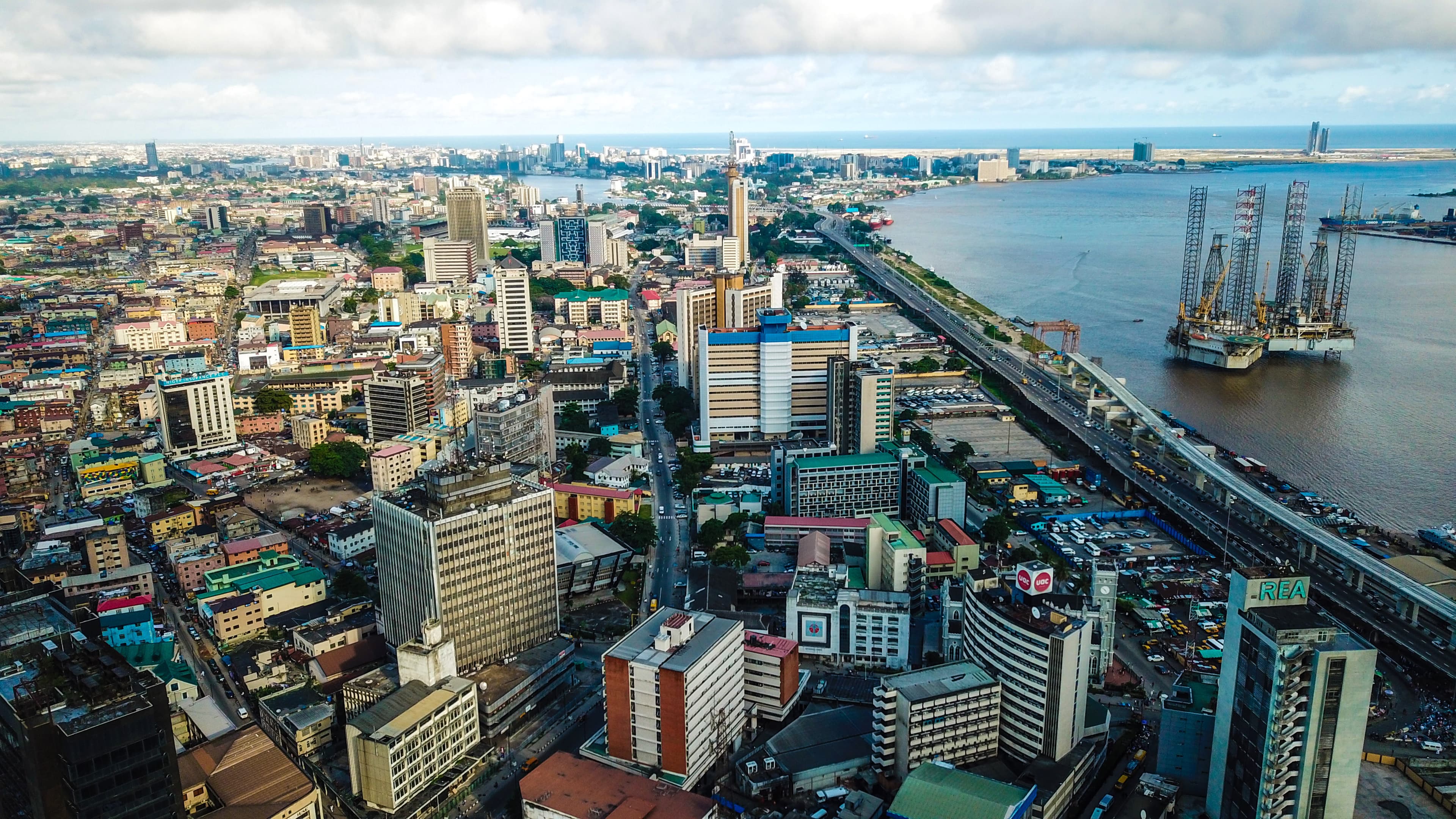
Nigeria is Africa's most populous country, with Lagos as one of the continent's most dynamic cities. Whether visiting for business, family, culture, or travel, Nigeria presents significant health risks that require thorough preparation. Yellow Fever vaccination is mandatory, malaria is endemic nationwide, and typhoid risk is high. Many UK travellers visit Nigeria to see family — these 'VFR' (visiting friends and relatives) travellers are often at higher risk because they stay longer, eat local food, and may underestimate the need for vaccination.
These vaccines may be required for entry to Nigeria or if transiting through endemic areas.
£79/Total
These vaccines are strongly recommended for travel to Nigeria. Our pharmacist will advise which are most relevant to your specific itinerary.
£59/Total
£39/Total
£165/Total
£297/Total
£49/Total
£98/Total
Moderate Risk Level
Malaria is endemic throughout Nigeria, including Lagos, Abuja, and all other cities. Risk is year-round with peak transmission during and after the rainy season (April–October). Nigeria has one of the highest malaria burdens in the world. Anti-malarial tablets are essential for all visitors without exception.

Practical tips to help you stay safe, healthy, and prepared throughout your trip.
Yellow Fever must be given at least 10 days before arrival. Plan 6–8 weeks ahead for Rabies and Hepatitis B. VFR travellers visiting family should not assume prior exposure provides protection — vaccination is strongly recommended.
November to February (dry season, Harmattan wind brings cooler temperatures). The rainy season runs from April to October in the south and June to September in the north. Mosquito activity and malaria risk peak during the rains.
Official recommendations from UK health authorities for travel to Nigeria. Always consult a healthcare professional for advice tailored to your specific itinerary.
“Yellow Fever vaccination is required for all travellers aged 9 months and over arriving in Nigeria.”
Accessed April 2026
View Source